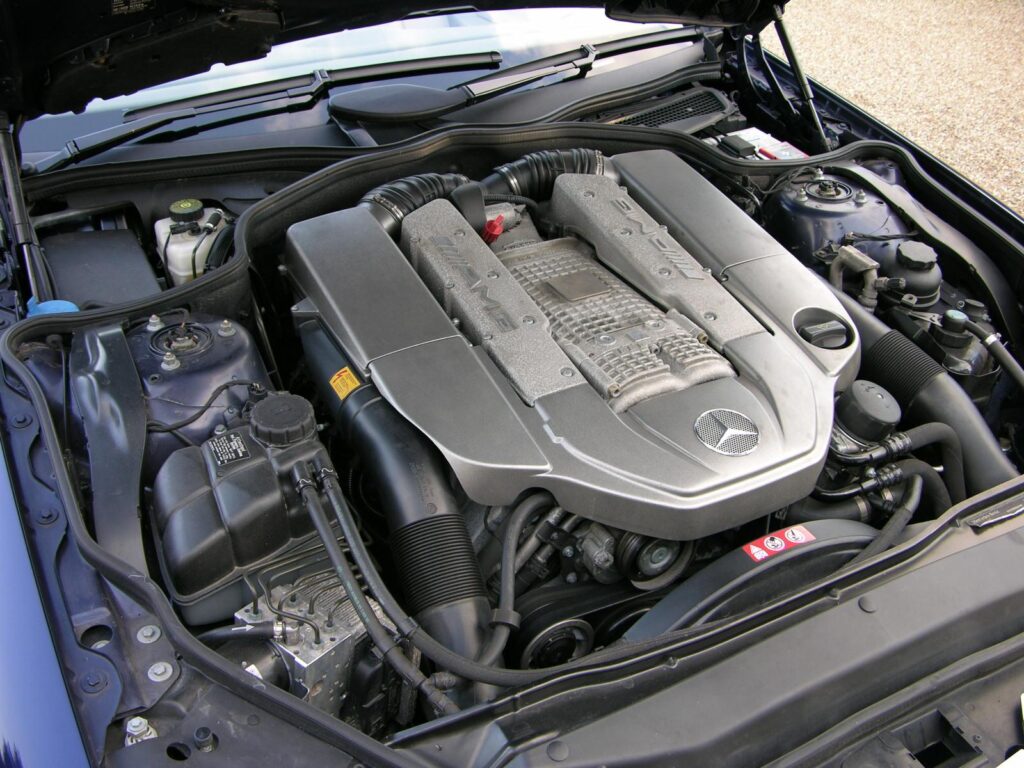
A V8 has two banks of four cylinders arranged in a “V”, driving one crankshaft. Its compactness, smooth power delivery and potential for high output made it important in cars, aircraft, boats, racing and heavy vehicles.
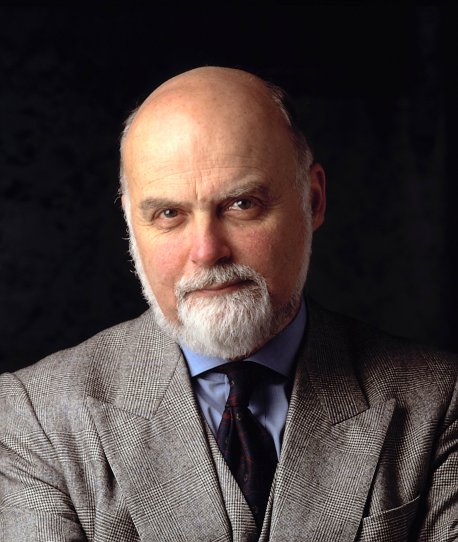
French engineer Léon Levavasseur patented the V8 in 1902, he developed the engine for speedboats and early aircraft. It is generally regarded as the first V8 design.
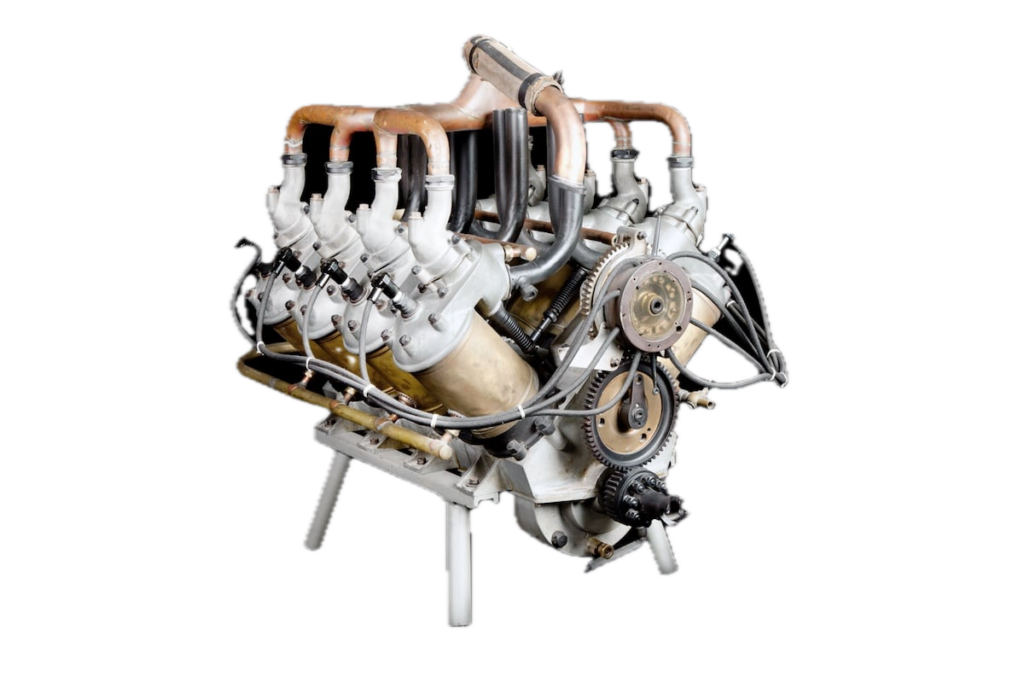
He called it the Antoinette after the young daughter of his financial backer, and from 1904 had installed this engine in a number of competition speedboats and early aircraft.
Some other notable V8 Events:
1905–1910 – Early cars: Rolls-Royce briefly produced a V8-powered car, while De Dion-Bouton developed an early V8 produced in relatively significant quantities.
1932 – Ford Flathead: Ford’s inexpensive 3.6-litre flathead V8 brought eight-cylinder performance to the mass market. It became hugely influential in American cars, hot-rodding and early custom culture.
1967 onward – European performance V8s: Rover adapted an all-aluminium Buick V8 into the long-lived Rover V8, used in Range Rovers, Land Rovers, TVRs and numerous specialist cars. Rolls-Royce and Bentley also introduced their L-series V8 in 1959.
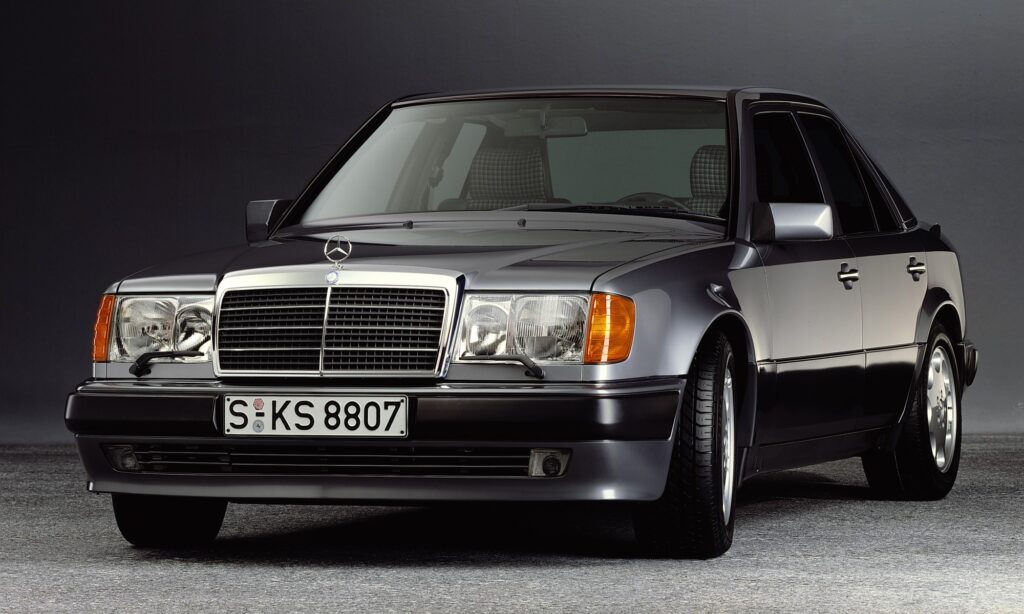
1980s–1990s – Electronics and efficiency: Fuel injection, computer engine management, aluminium construction and four-valve cylinder heads made V8s more powerful, cleaner and more economical. Notable examples include Mercedes-Benz’s performance V8s and BMW’s M60/M62 engines.