BetterBangers TechTalk | Engine Guides & Reliability
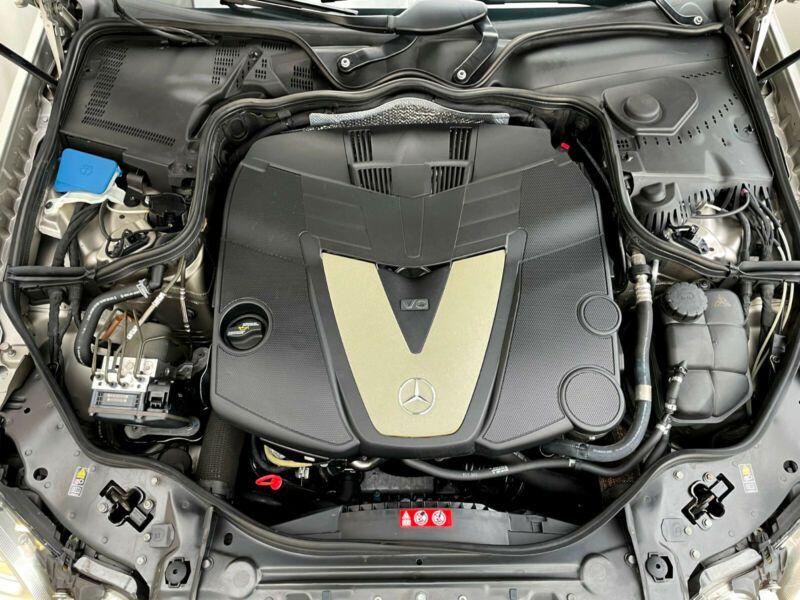
The Mercedes-Benz OM642 is one of the company’s most widely used modern diesel engines. Introduced in 2005, this 3.0-litre V6 turbo diesel found its way into a huge range of Mercedes models, from the E-Class and S-Class to the ML, GL and even the Sprinter van.
It quickly developed a reputation for strong performance, excellent torque and the ability to cover substantial mileages. However, like most modern diesel engines, it isn’t without its weaknesses.
So, is the OM642 a genuinely dependable Mercedes engine, or is it a potential money pit for the unwary second-hand buyer?
Let’s take a closer look.
1. The OM642 – A Brief History
The OM642 was introduced in 2005 as Mercedes-Benz’s new generation of 3.0-litre V6 diesel engine.
It replaced several older five-cylinder and V6 diesel applications and represented a significant step forward in refinement and performance.
With a capacity of 2,987cc, a 24-valve aluminium construction and a variable-geometry turbocharger, it offered a useful combination of power, economy and refinement.
Depending on the version and application, outputs ranged from approximately 184bhp to 265bhp, with torque figures reaching around 620Nm.
The engine was produced in numerous configurations over the years, with changes to fuel injection, engine management and emissions equipment.
One of its greatest strengths was its flexibility. It could provide relaxed, economical motorway cruising in an E-Class while delivering the considerable pulling power required by a large ML or GL SUV.
2. Which Mercedes Models Used the OM642?
The OM642 was fitted to a surprisingly wide range of Mercedes-Benz vehicles.
Some of the most popular applications included:
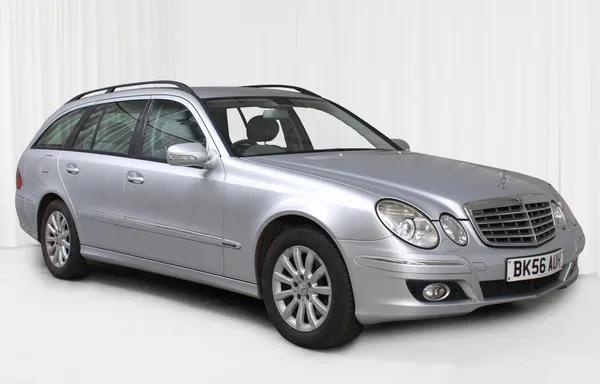 Mercedes-Benz E-Class (W211, W212 and W213)
The E280 CDI, E300 CDI, E320 CDI and E350 CDI were among the most familiar applications. The estate versions are particularly attractive to used-car buyers looking for a practical, powerful long-distance car.
 Mercedes-Benz M-Class / ML (W164 and W166)
The ML280 CDI, ML300 CDI, ML320 CDI and ML350 CDI used various versions of the engine. Its substantial torque made it particularly well suited to this large SUV.
 Mercedes-Benz GL-Class (X164 and X166)
The GL320 CDI and GL350 CDI benefited from the engine’s strong pulling power, making it a good match for this large seven-seat SUV.
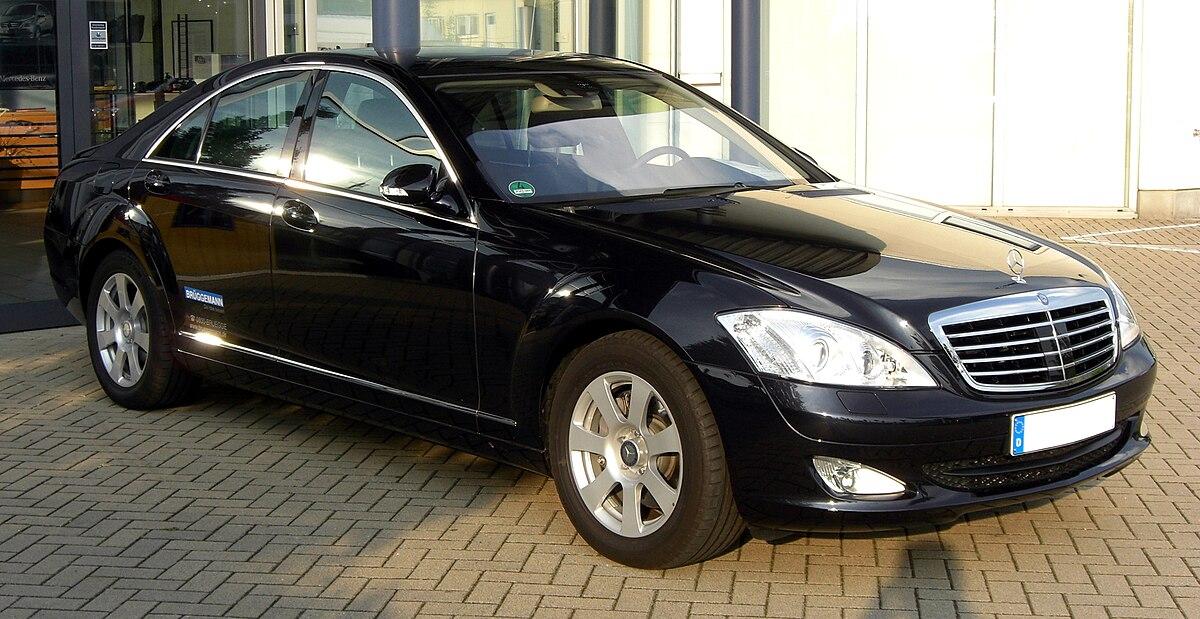 Mercedes-Benz S-Class (W221)
The S320 CDI and S350 CDI brought the benefits of the V6 diesel to Mercedes’ flagship luxury saloon.
Mercedes-Benz Viano and Vito
Selected models used the 3.0 V6 CDI, offering considerable torque and useful performance for passenger and commercial applications.
Mercedes-Benz Sprinter
Certain Sprinter models were also available with a 3.0-litre V6 diesel version.
3. OM642 Engine Specifications
| Specification | Details |
|---|---|
| Engine code | OM642 |
| Capacity | 2,987cc |
| Configuration | V6 |
| Fuel | Diesel |
| Valves | 24 |
| Construction | Aluminium block and cylinder heads |
| Turbocharger | Variable geometry |
| Fuel system | Common-rail direct injection |
| Power | Approximately 184–265bhp |
| Torque | Up to approximately 620Nm |
| Introduced | 2005 |
The figures vary according to engine version, vehicle model and year of manufacture.
4. Common OM642 Problems and Weaknesses
Although the OM642 has a fundamentally strong mechanical design, there are several well-known problems that potential buyers should understand.
Some are relatively straightforward repairs, while others can involve considerable labour costs.
4.1 Oil Cooler Seals – The Most Famous Weakness
Perhaps the most widely discussed OM642 problem concerns the oil cooler seals.
The oil cooler is located in the V-shaped valley between the two cylinder banks. The rubber seals fitted around it deteriorate over time due to repeated exposure to heat.
Eventually, they can begin to leak engine oil.
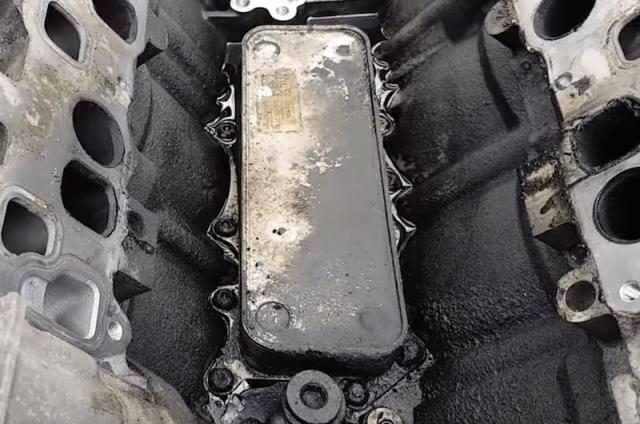
Typical symptoms include:
- Oil collecting in the valley of the engine.
- Oil running down the rear of the engine.
- A burning oil smell.
- Oil appearing underneath the vehicle.
Unfortunately, replacing the seals is not a simple job. Considerable dismantling is required to gain access to the oil cooler, including removal of the intake manifold and associated components.
It is therefore a labour-intensive repair and one that can produce a substantial garage bill.
If buying an OM642-powered Mercedes, I would want to know whether this work has already been carried out.
4.2 Intake Manifold and Swirl Flaps
The OM642 uses swirl flaps within the intake manifold to help regulate airflow and improve combustion.
Over time, oily deposits and carbon build-up can accumulate in the intake system.
The swirl flap mechanism, its operating linkage or electric actuator can also develop problems.
Symptoms can include:
- Engine management warning lights.
- Reduced engine performance.
- Poor acceleration.
- Limp-home mode.
Depending on the extent of the problem, cleaning or replacement of components may be necessary.
4.3 Turbocharger and Actuator Problems
The OM642 uses a variable-geometry turbocharger to provide strong torque across a wide rev range.
Generally, the turbocharger itself is reasonably durable, but the actuator and variable-vane mechanism can develop problems.
Carbon deposits and mechanical wear can interfere with the operation of the variable vanes.
Symptoms include inconsistent boost pressure, reduced acceleration and sometimes limp-home mode.
Before replacing an expensive turbocharger, a proper diagnostic investigation is important. The fault may lie with the actuator, its controls or associated vacuum and boost systems.
4.4 EGR Valve and DPF Problems
Like most modern diesel engines, the OM642 uses an Exhaust Gas Recirculation (EGR) system and, on applicable versions, a Diesel Particulate Filter (DPF).
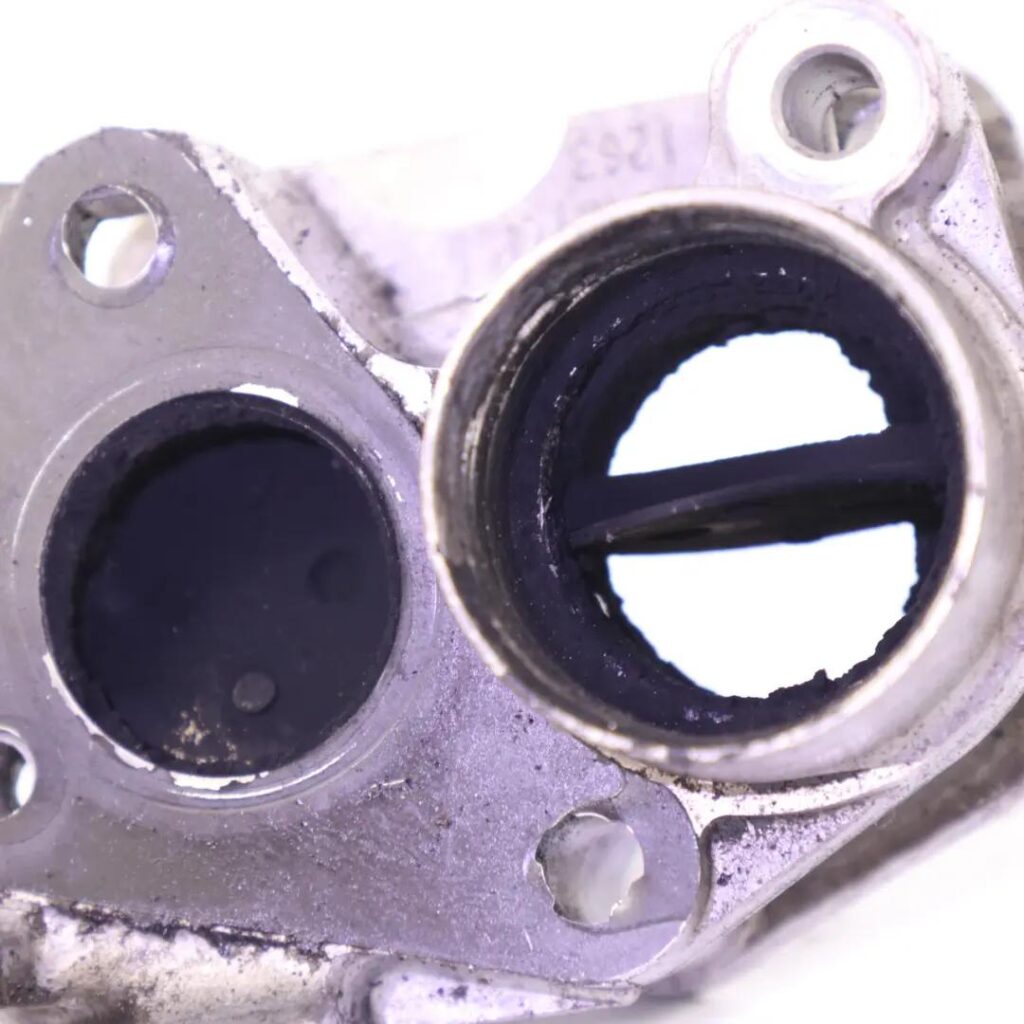
The EGR valve can become restricted by carbon deposits, particularly on vehicles that spend much of their time in town.
DPF problems are also more likely on cars regularly used for short journeys, where the exhaust system may not reach the temperatures required for successful regeneration.
Typical symptoms include:
- Reduced performance.
- Increased fuel consumption.
- Warning lights.
- Frequent or unsuccessful DPF regeneration.
For this reason, an OM642-powered Mercedes is generally better suited to regular longer journeys than a car used exclusively for short urban trips.
4.5 Injector Seals – The Black Death
Injector seal failure is another problem worth checking.
The copper sealing washers beneath the injectors can deteriorate, allowing combustion gases to escape.
This can produce thick black carbon deposits around the injectors, a condition commonly known as the ‘Black Death’.
Look for:
- Black tar-like deposits around the injectors.
- A chuffing or puffing noise from the engine.
- Unusual exhaust smells.
If caught early, the repair may be relatively straightforward. If neglected, the carbon deposits can make injector removal considerably more difficult.
4.6 AdBlue and NOx Sensor Problems
Later BlueTEC versions introduced additional emissions equipment, including AdBlue systems and NOx sensors.
These components can develop faults as the vehicle ages.
Problems may include failed NOx sensors, AdBlue pump issues and associated electronic faults.
Although these are not failures of the basic engine itself, they can be expensive to diagnose and repair.
Buyers should pay particular attention to any emissions-related warning messages or starting restriction countdowns.
5. How Reliable Is the OM642?
The important distinction with the OM642 is between the basic engine and the equipment attached to it.
The engine’s main mechanical components are generally strong. The crankshaft, block and bottom end have a good reputation, and properly maintained examples can cover very substantial mileages.
It is not unusual to find these engines still running well beyond 150,000 or 200,000 miles.
However, the oil cooler seals, intake manifold, EGR system, turbocharger controls and emissions equipment can all generate expensive repair bills.
In other words, the OM642 can be a long-lived engine, but that doesn’t necessarily mean it will be inexpensive to own.
6. Which OM642 Version Is Best?
The OM642 evolved throughout its production life, so it is important not to assume every version is identical.
2005–2009: Early versions
These engines offer good performance and can be durable, but oil cooler seals, intake manifold problems and general age-related deterioration deserve particular attention.
2009–2014: Later CDI and BlueTEC versions
These benefited from various technical developments and revisions. However, BlueTEC models introduced additional emissions equipment that can bring its own complications.
2014 onwards: Later developments
Later applications benefited from further development, but the exact specification depends on the vehicle and engine variant. AdBlue, NOx sensor and DPF issues remain potential ownership expenses.
I wouldn’t automatically dismiss an early engine or assume a later one is trouble-free. Service history and condition are much more important than registration year alone.
7. Buying a Used Mercedes with an OM642
If I were looking at a used Mercedes fitted with the OM642, these would be my essential checks:
- Oil cooler seals: Ask whether they have been replaced and look for evidence of oil leakage.
- Engine leaks: Inspect the rear of the engine and the area around the cylinder banks.
- Injector seals: Check for black carbon deposits around the injectors.
- Turbocharger: Ensure smooth acceleration and consistent boost pressure.
- Intake manifold: Check for swirl flap faults and carbon build-up.
- DPF and EGR: Check for warning lights, fault codes and evidence of regeneration problems.
- Service history: Look for regular oil changes using the correct Mercedes-approved oil specification.
- Automatic gearbox: Check for smooth changes, particularly when cold and under acceleration.
- Diagnostic check: Ideally have the vehicle inspected by a Mercedes specialist using STAR diagnostic equipment.
A comprehensive inspection before purchase is money well spent, particularly on a higher-mileage example.
8. BetterBangers Verdict – Is the OM642 Worth Buying?
The Mercedes-Benz OM642 is an interesting engine and, in many respects, a very good one.
It combines the refinement of a V6 with the substantial torque that makes a large diesel Mercedes such a pleasant car to drive.
It is particularly well suited to the E-Class estate, S-Class and ML models, where its pulling power and relaxed motorway performance make considerable sense.
Its biggest weakness is not necessarily the basic engine design, but the cost and complexity of repairing some of the components surrounding it.
Oil cooler seal replacement is the classic example. A relatively inexpensive set of seals can turn into a sizeable garage bill because of the labour involved.
Our advice?
Don’t be frightened by a high-mileage OM642, provided it has been properly maintained. A 180,000-mile example with a comprehensive service history and evidence of preventative repairs may be a much better purchase than a neglected car showing 90,000 miles.
For anyone considering a used Mercedes diesel, the OM642 deserves serious consideration. Just make sure you buy the history and condition of the car, rather than simply the badge on the boot.
BetterBangers TechTalk – keeping the best old Mercedes on the road!