Which One Should You Buy?
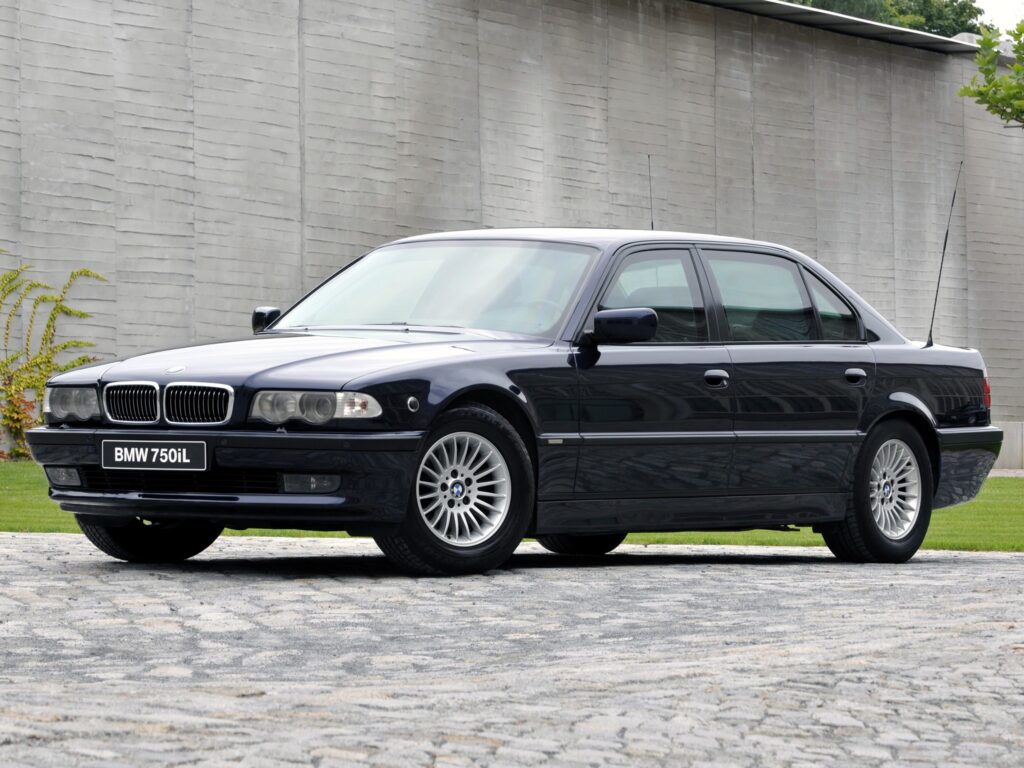
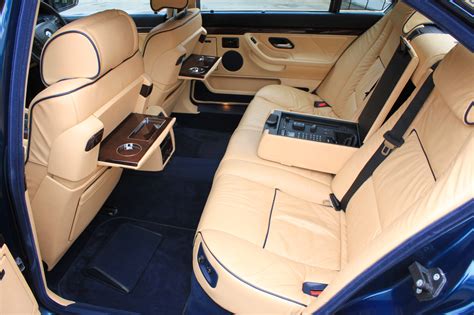
The BMW E38 is widely regarded as one of the finest luxury saloons ever built. Introduced in 1994 and produced until 2001, it combined understated styling, superb handling and exceptional comfort. Even today, many enthusiasts consider it to be the last truly analogue 7 Series.
If you’re thinking of buying one, you’ll probably be looking at three petrol models: the 728i, 735i and 740i. While they share the same elegant body and luxurious interior, they offer very different ownership experiences.
So which is the better buy?
The Contenders
| Model | Engine | Power | 0-60 mph | Typical MPG |
|---|---|---|---|---|
| 728i | 2.8-litre M52 straight-six | 190 bhp | 8.5 sec | 25–30 mpg |
| 735i | 3.5-litre M62 V8 | 235 bhp | 7.0 sec | 22–27 mpg |
| 740i | 4.4-litre M62 V8 | 286 bhp | 6.3 sec | 20–25 mpg |
BMW 728i – The Sensible Choice
Don’t dismiss the six-cylinder simply because it’s the smallest engine.
The M52 straight-six is one of BMW’s best engines, offering smooth performance, respectable economy and lower running costs than its V8 siblings. Around town it feels refined, while motorway cruising is relaxed thanks to the excellent ZF automatic gearbox.
Pros
- Most economical E38
- Lower insurance
- Reliable M52 engine
- Cheaper servicing
- Lighter front end gives slightly sharper steering
Cons
- Can feel underpowered when fully loaded
- Doesn’t have the effortless torque of the V8s
- Less desirable to collectors
Best for: Buyers wanting a dependable classic they can use regularly.
BMW 735i – The Forgotten Middle Child
The 735i often gets overlooked, which is a shame.
Powered by the 3.5-litre version of the M62 V8, it offers the smoothness and character of a V8 without quite matching the performance of the flagship 740i.
In reality, however, fuel economy is often very close to the 740i, making the smaller V8 a difficult car to justify unless you find an exceptionally good example.
Pros
- Smooth V8 soundtrack
- Plenty of performance
- Usually cheaper to buy than a 740i
Cons
- Almost identical fuel consumption to the 740i
- Similar servicing costs
- Less powerful than the 740i with few savings
Best for: Buyers who find an outstanding example at the right price.
BMW 740i – The One Everyone Wants
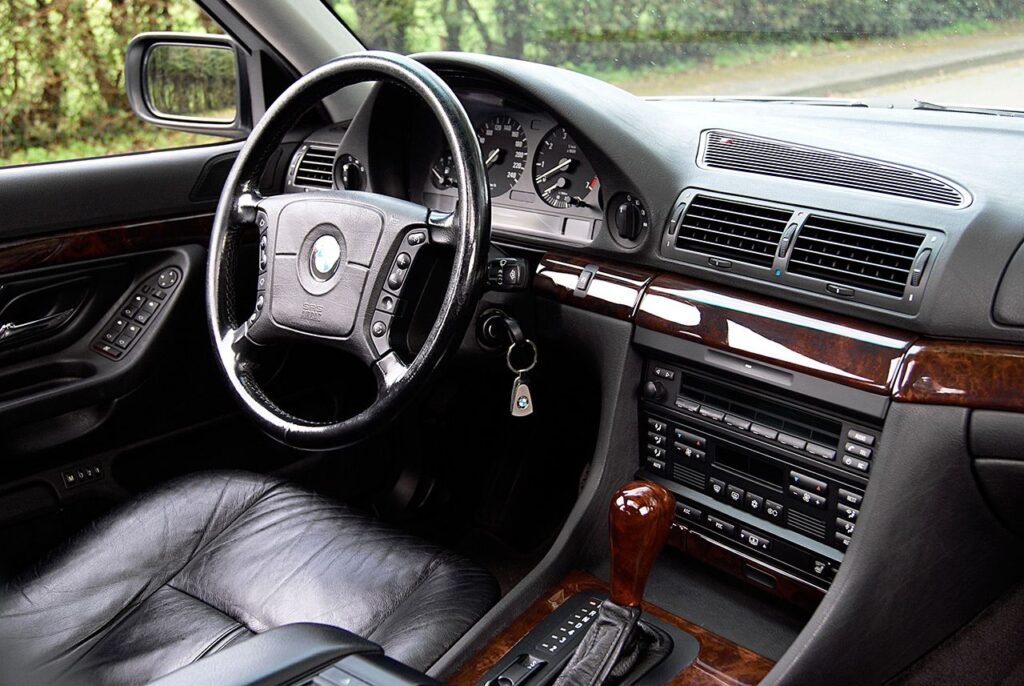
If the E38 represents BMW at its peak, the 740i is arguably the sweet spot.
Its 4.4-litre V8 transforms the car. Performance is effortless, overtaking requires little planning and motorway cruising feels almost silent. The engine has a wonderful flexibility that suits the character of the car perfectly.
It’s no surprise that values for good 740is have remained stronger than other non-M models.
Pros
- Superb V8 performance
- Effortless motorway cruiser
- Strong enthusiast following
- Better long-term desirability
Cons
- Highest fuel consumption
- Cooling system maintenance is essential
- More expensive if major repairs are required
Best for: Enthusiasts wanting the definitive E38 driving experience.
Reliability
The E38 is capable of covering huge mileages, but maintenance history is everything.
A well-maintained 180,000-mile car is usually a far better buy than a neglected 90,000-mile example.
728i (M52)
The six-cylinder is generally regarded as the most reliable engine in the range.
Watch for:
- Cooling system failures
- VANOS seal wear
- Oil leaks
- Expansion tank cracks
Overall rating:
⭐⭐⭐⭐⭐
735i & 740i (M62)
The V8s are wonderfully smooth but require a little more attention.
Check for:
- Cooling system renewal
- Timing chain guide wear on higher-mileage cars
- Valve cover gasket leaks
- PCV system issues
If the timing chain guides haven’t been replaced on a high-mileage car, budget accordingly, as this is one of the most significant maintenance jobs on the M62.
Overall rating:
⭐⭐⭐⭐☆
Rust
Mechanically, these cars are strong.
Rust is often the bigger concern.
Inspect carefully:
- Rear wheel arches
- Front wings
- Boot lid
- Sills
- Jacking points
- Fuel filler area
- Suspension mounting points
A solid shell is worth paying extra for.
Running Costs
None of these cars are particularly cheap to own, but they don’t have to be ruinously expensive either.
Expect to budget for:
- Annual servicing
- Suspension bushes
- Brake components
- Cooling system maintenance
- Quality tyres
Many parts remain readily available, and specialist knowledge in the UK is excellent.
Which Would I Buy?
Daily Driver
728i
The straight-six offers the best balance of reliability, economy and purchase price.
Weekend Classic
740i
If you’re buying an E38 because you love big executive saloons, the 4.4-litre V8 is hard to beat.
Best Value
735i
Often overlooked, meaning bargains can still be found if condition is exceptional.
Better Bangers Verdict
If reliability is your priority, the 728i is difficult to fault and is likely to be the cheapest to keep on the road.
If you want the E38 at its very best, the 740i delivers the performance and refinement that made the model famous. Running costs are only marginally higher than the 735i, making it the V8 we’d recommend.
As with any classic BMW, buy on condition, service history and evidence of preventative maintenance rather than mileage alone. A cherished, rust-free E38 with a thick history file will almost always prove a better investment than a cheaper car needing extensive mechanical or bodywork repairs.